Politics & Government
Former Mayor Tells Farmington Hills Officials to Dump SMART
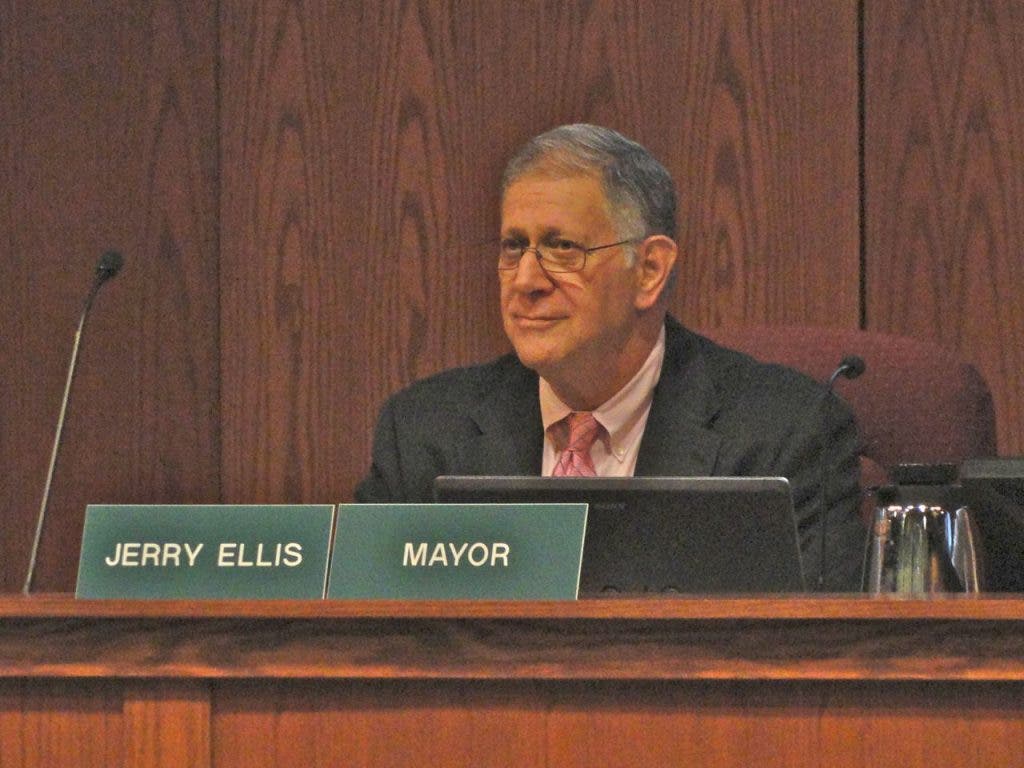
Jerry Ellis say the regional transportation authority is 'a bus to nowhere'.
The city officials will have to vote by the end of this month if they wish to opt out of SMART (Suburban Mobility Authority for Regional Transportation), but council members are torn about whether to continue with the regional bus service.
At a Saturday morning study session, former Mayor Jerry Ellis stopped by to say, in no uncertain terms, that it was time to dump SMART.
“I’ve been studying this for 10 years,” he said. “I’m a firm believer in regional transportation, and SMART is not regional transportation at all. It’s a bus to nowhere, it doesn’t work.”
Find out what's happening in Farmington-Farmington Hillswith free, real-time updates from Patch.
He said the city has been staying in the system for 10 years hoping that things will improve, and it just has not happened. The only way to move forward, he said, is to opt out of SMART and get in tune with whatever system is brought to replace it. If Farmington Hills, and other cities, don’t let SMART die—there will be no changes.
“I urge the city to opt out, we’ll have a year to figure out how to move people who use the system around,” Ellis said.
Find out what's happening in Farmington-Farmington Hillswith free, real-time updates from Patch.
Council member Ken Massey said that residents have long supported SMART because they believe a regional transportation system is a good thing.
“If DDOT (Detroit Department of Transportation) implodes, and I think it will, this will give Lansing an opportunity to build another system for the area,” Massey said.
Council member Richard Lerner said if voters were asked to approve the current millage amount, which generates about $2.1 million, the city would have about $1 million over and above the cost of a Dept. of Special Services proposal for creating a local system that would provide equal, and in some cases, better service. While all agreed that SMART was not filling the bill, some council members were not enthusiastic about opting out, without consulting the voters.
“I don’t see a lot of people riding the bus, but the voters overwhelmingly support SMART,” council member Michael Bridges said. “I don’t want to take this decision out of the voters’ hands.”
Officials discussed putting a local millage on the ballot as well as the SMART renewal, but that has its own pitfalls. Even if city residents vote against SMART renewal, it would still go through if the majority of Oakland County residents approve it. That would put two millages into effect if both pass.
Mayor Barry Brickner said he was leery of trashing SMART as a way to get the state to replace it with a better alternative.
“I’m not in favor of the chaos theory of local government,” he said, “where you stop something and hope someone else will react.”
The SMART decision will have to be made on or before the council’s Jan. 23 meeting.
Clarifications: Council member Richard Lerner's statement regarding the amount of money the city would have if voters were asked to approve the current SMART millage amount has been clarified. Also, opting out of the SMART system requires a vote of the council.